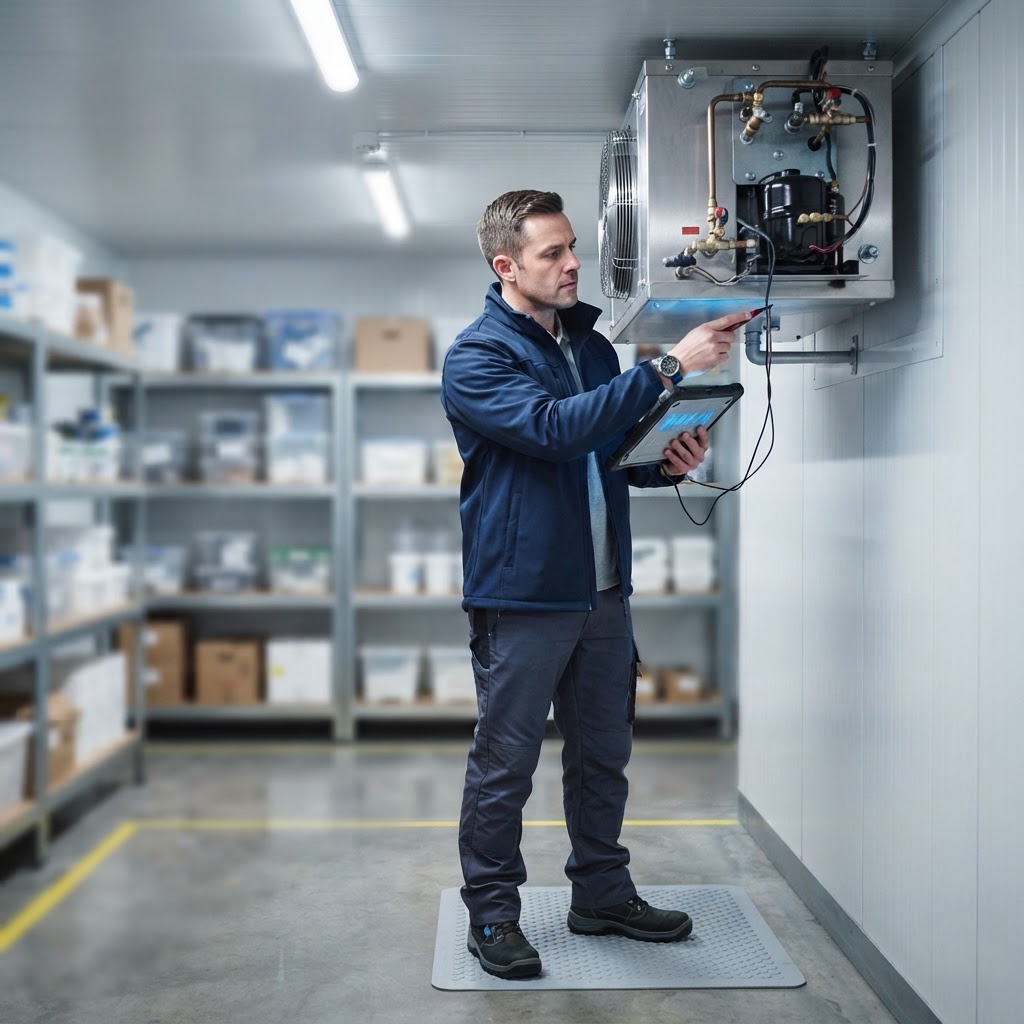
In the world of small-scale agriculture, local artisanal food production, and boutique floral distribution, reliable cold storage is the backbone of the business. When a walk-in cooler fails or a refrigeration unit falls out of compliance, the cost is not just a repair bill; it is thousands of dollars in lost inventory and ruined harvests. This creates a prime opportunity for a mobile commercial cold-storage infrastructure audit service. By offering regular, data-backed inspections, you help business owners mitigate risk while ensuring they meet health department requirements.
The Market Need for Cold-Storage Audits
Many small operators, such as micro-creameries, farm-to-table cooperatives, and specialty florists, lack the internal resources to perform rigorous, documented preventative maintenance. They often rely on 'break-fix' repairs, which is the most expensive way to operate. Your service acts as an independent auditor that documents the health of their infrastructure—from gasket integrity and temperature variance logs to evaporator coil cleanliness and structural seal checks. By providing a professional, digital condition report after every visit, you give the owner a tangible asset that can be used for insurance renewals or health inspections. This documentation serves as a proactive defense, showing regulators that the operator is diligent about food safety and asset longevity.
Operationalizing Your Business
To succeed, you need to transition from manual paper checklists to a repeatable, professional digital process. Clients expect clear, time-stamped, and photographic evidence of the health of their equipment. By using a standardized system, you can offer a subscription-based service where you visit monthly or quarterly to perform a standardized set of checks.
Numbered Steps to Launch:
- Define Your Scope: Decide if you will focus on boutique food retail, industrial farms, or floral storage. Each has different temperature threshold requirements.
- Develop the Digital Workflow: Utilize an AI Form Generator to create a consistent, audit-proof template that ensures no detail is missed.
- Build the 'Infrastructure Health' Package: Don't sell an 'inspection.' Sell 'compliance peace of mind.'
- On-Site Professionalism: Arrive with branded gear, appropriate safety equipment, and a pre-planned route to maximize efficiency.
- Feedback Loop: Deliver the report immediately upon completion. If an 'Immediate Action' is flagged, provide a list of local, reputable HVAC technicians for repairs.
A Worked Example
Consider a small-batch cheese producer with a walk-in unit that is ten years old. During your audit, you notice a recurring 3-degree temperature spike every evening. Upon inspection of the door gasket, you find a small tear that is allowing warm air ingress during the ambient temperature shift of the evening. Because you documented this in your digital report with a clear photo, the owner can now perform a targeted repair on the door rather than calling a technician for an expensive 'system diagnostics' call. By preventing the spike, you saved the client from a potential spoilage event, cementing the value of your subscription fee.
Build this in AI Form Generator
Create a workflow called 'Cold-Storage Asset Audit'. Include the following sections: 'Client Information' with address and contact; 'Refrigeration Unit Specs' (brand, model, age); 'Pre-Inspection Status' (check-in time, current thermostat reading); 'Infrastructure Inspection' section with mandatory fields for Gasket Condition, Door Seal Integrity, Condenser Coil State, Evaporator Fan Sound, and Insulation Check. Include 'Evidence Collection' by adding a mandatory photo upload field for each specific component inspected. Include a 'Compliance Status' dropdown (Compliant, Monitor, Immediate Action Needed). Add a 'Task Automation' to trigger an email summary to the client upon submission containing a PDF of the results. Add a 'Signature Field' for the client to acknowledge the findings on-site. Finally, integrate a payment field to collect the service fee directly at the time of the inspection.
Common Mistakes to Avoid
- Overstepping your authority: Do not attempt to repair equipment if you are not a licensed HVAC technician. Your role is auditor and consultant, not repair person. Misdiagnosing a Freon leak could lead to severe liability.
- Inconsistent Reporting: If your reports look different every time, clients will perceive your service as a hobby. Maintain a rigid, standardized format.
- Ignoring Local Codes: Health departments have very specific regulations regarding temperature logs. If your audit doesn't align with these, your report will be useless to the business owner during an inspection.
- Failing to secure data: You are documenting sensitive business assets. Use secure cloud storage for all your reports to protect your clients' information.
How to Build Recurring Revenue
Don't treat this as a one-off inspection business. Sell a recurring 'Infrastructure Health Subscription'. Position yourself as an essential partner in their risk management strategy. A typical price point for a quarterly thorough audit might range from $150 to $350 per site visit, depending on the number of units. Because your workflow is fully digital, you can scale your operation by spending less time on paperwork and more time on site, ensuring you have a clean, audit-ready trail for every customer.
Equipment & Supplies You’ll Need
As an Amazon Associate, AI Form Generator may earn from qualifying purchases.
- Infrared Laser Thermometer: Essential for checking surface temperatures of units without physical contact. https://www.amazon.com/s?k=infrared+laser+thermometer&tag=aiformgen-20
- Industrial LED Flashlight: Necessary for inspecting dark coils and hidden infrastructure crevices. https://www.amazon.com/s?k=high+lumen+led+flashlight&tag=aiformgen-20
- Heavy Duty Clipboards and Tablet Case: To keep your mobile device safe and secure while on-site in cold environments. https://www.amazon.com/s?k=rugged+tablet+case&tag=aiformgen-20
- Digital Multimeter: For basic electrical continuity checks on fan motors and thermostats. https://www.amazon.com/s?k=digital+multimeter+tester&tag=aiformgen-20
- Reflective Safety Vest: To remain visible and professional while working in busy warehouse or loading dock environments. https://www.amazon.com/s?k=high+visibility+safety+vest&tag=aiformgen-20
Frequently Asked Questions (FAQ)
Q: Do I need a mechanical engineering degree to start this? A: No. You need an eye for detail and an understanding of basic refrigeration principles. However, you should familiarize yourself with the technical manuals of common commercial cooling brands.
Q: What is the biggest challenge in this business? A: The biggest challenge is proving value before a disaster happens. Clients often don't see the need for audits until they've experienced one major loss. Focus your marketing on risk mitigation and insurance premium reduction.
Q: How do I handle liability? A: Consult an attorney to draft a robust 'Service Agreement' that clearly states you are providing an observational audit, not a guarantee of mechanical performance. You must carry professional liability insurance.
Q: Can I expand into repairs later? A: Yes, but you must obtain the proper HVAC licensing and certifications (such as EPA Section 608 for refrigerants) in your jurisdiction.
Success in this field requires diligence, attention to detail, and local market knowledge. Actual demand, pricing structures, liability considerations, and specific state health regulations vary widely. Always consult with legal and industry experts before launching a business that involves critical infrastructure.